Keep characters recognizable across AI video scenes.
Evidence checkpoint: 35 complete clips visually reviewed from an ongoing 140-request owner study. Observed October 2, 2026; this guide will be updated as the remaining results arrive.
Start with one approved character sheet. Reuse it unchanged, then write each scene separately. This can repeat a recognizable design, but cannot guarantee an identical face in every generation.
A prompt you can reuse
In the Character Generator, upload a picture you have permission to use or start with words. Review the visible traits, save the sheet, then change only the scene. Use “Review in studio” to check the prompt before generating.
FIXED CHARACTER
Mara is a fictional adult, age 35, with a slender build, warm olive skin, a chin-length black bob with a left side part and one silver streak at her left temple. She has green almond-shaped eyes, a long oval face, high cheekbones, a narrow straight nose and a softly tapered jaw. She wears a plain navy wool coat, rust-red scarf, charcoal trousers and brown lace-up boots.

SCENE
At a quiet hotel reception, Mara opens a cream envelope and finds a brass key. She looks toward the closed door and says: “Who left this here?”

CAMERA AND SOUND
Natural daylight, realistic skin, a clearly visible face and quiet room ambience.
Save the character block. Change the scene and camera without changing the identity description. When starting from a picture, check the extracted eye color, hair length and small marks before saving.
What our reviewed footage shows
| Method | Observed result |
|---|---|
| Fixed text | Hair and outfits repeat more reliably than face details. One mature-character pair has convincing broad resemblance; other pairs drift. |
| Photo → editable text | A complete three-episode story delivered. The design repeats, while face details and coat material change. |
| Extra prose and centimeter targets | Paired clips still change the face. More detail has not established an exact identity lock. |
| Room and clothing images | Useful for setting and wardrobe. A repeated room does not make faces match. |
| Intact fictional portraits | Two original portraits delivered convincing source resemblance. Elena also delivered a second independent scene with convincing continuity, while an intervening same-image scene was refused for unverified-face protection. Acceptance remains inconsistent. |
| Several beats in one clip | Two 30-second episodes retain a coherent actor through their actions. Faces still differ between independent episodes. |
An intact-reference pair that delivered
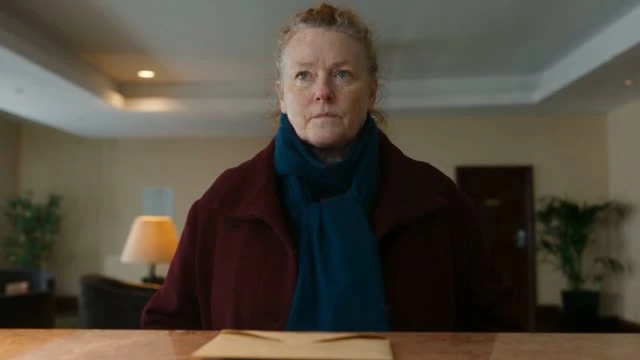
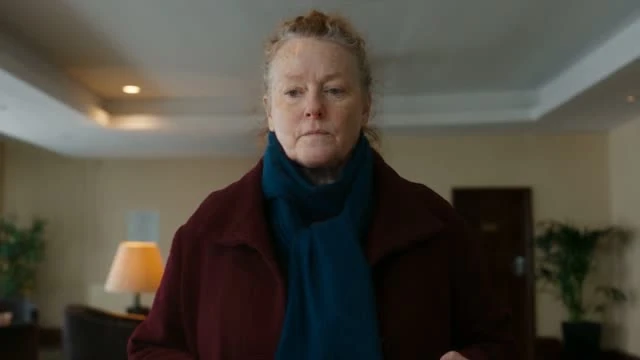
Compare the face separately from the costume
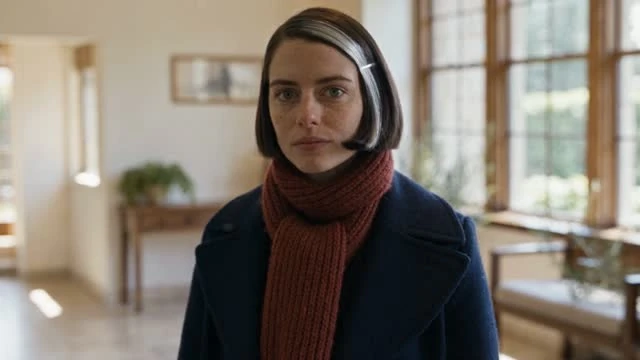
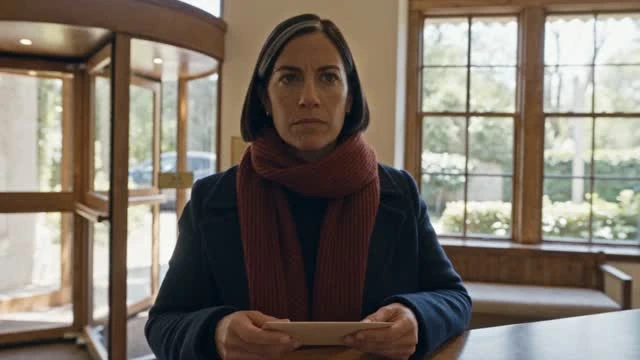
Check the face at the start, middle and end. Compare earlier scenes under similar lighting. Check dialogue and action separately too: a finished video can miss a requested line or story beat.
Original fictional adult characters; actual complete decoded files; six sampled frames per clip; unblinded visual review. Broad resemblance is not biometric identity verification. Automatic transcripts do not verify lip-sync. Three detailed/maximum character pairs used identical inputs and are repeated draws, not separate detail levels. These are owner experiments, not customer fulfillment statistics.
Research behind the tests
CellCog's firsthand workflow describes fixed text with scenery and clothing references. Our intact-portrait successes show its blanket face-rejection claim does not describe every result on our route. One creator's small portrait test reports one acceptance and four refusals, plus better continuity inside one clip. That is a self-reported experiment on another route, not our acceptance rate.